India’s gambling scene has evolved dramatically over the past decade. While online casinos have surged in popularity, traditional table games remain the crown jewels of both land-based and virtual casinos. But what makes these games so engaging? And which ones are the favorites among Indian players? Let’s dive deep into the world of popular casino table games in India, exploring their rules, strategies, and why they continue to dominate.
Why Table Games Are So Popular in India
If you’ve ever stepped into a casino in India or logged into an online platform, the first thing you’ll notice is the energy surrounding the table games. Unlike slot machines or other solo games, table games are inherently social. Players sit across from real opponents or interact with live dealers, creating a dynamic atmosphere that is both competitive and entertaining. The sense of community at these tables is palpable—friends gather, new players meet, and even strangers share laughter and excitement over each hand or roll of the dice. This social interaction transforms gambling into an engaging experience rather than just a way to win money. It’s this lively, human element that keeps Indian players returning, often preferring tables over solitary machines.
Another reason table games resonate with Indian audiences is the strategic depth they offer. Many of these games require more than luck; they demand careful planning, critical thinking, and decision-making under pressure. Games like Teen Patti, Poker, and Rummy reward players who can read their opponents, anticipate moves, and make calculated bets. This mix of skill and strategy appeals to the analytical side of Indian players, offering not just a thrill but also a mental challenge. The satisfaction of making the right call or outsmarting competitors adds an extra layer of excitement that purely luck-based games rarely provide.
The potential for higher payouts also contributes to their popularity. While slots can offer big wins, table games often present better odds for players who understand the game and apply strategies effectively. Smart betting, managing stakes, and observing patterns can all tilt the odds slightly in a player’s favor, making the gameplay feel more rewarding. This combination of risk and reward creates an adrenaline rush that draws both casual gamblers and serious enthusiasts. For many Indians, the chance to win significant amounts while actively participating in the game is far more appealing than passive play.
Cultural influence further cements the popularity of table games in India. Traditional games like Teen Patti and Andar Bahar have deep roots in Indian society and family gatherings, making them familiar and comforting for local players. Many Indians grew up playing these games in homes and social circles, so transitioning to a casino or online environment feels natural. The blend of cultural nostalgia with modern casino excitement creates a unique appeal, bridging generations and experiences. This cultural connection ensures that table games remain more than just entertainment—they are a cherished part of social life and leisure in India.
Types of Casino Table Games in India
Casino table games in India offer a wide range of experiences, each bringing its own unique blend of excitement, strategy, and chance. Understanding the different types of games can help players choose what suits their style and interests the most. Here’s a detailed breakdown of the main categories:
- Card Games: Card games dominate the Indian casino scene and are perhaps the most familiar to local players. They include classics like Teen Patti, Andar Bahar, Poker, and Rummy, each with its own set of rules and strategies. These games combine skill, decision-making, and luck, allowing players to employ strategies to improve their chances of winning. The social interaction aspect of card games adds to their charm, as players often try to read each other, bluff, or calculate probabilities during gameplay. Card games are particularly appealing because they resonate with traditional Indian gaming culture, often reminding players of family gatherings and festive play.
- Dice Games: Dice games are centered around probability and fast-paced action, attracting players who enjoy suspense and unpredictability. Popular examples include Sic Bo and Craps. Dice games are generally easier to learn than card games but still require a sense of timing and strategy, especially in bets that involve combinations or totals. The rolling of dice brings an immediate thrill, creating moments of anticipation with every throw. Players who enjoy watching outcomes unfold in real-time and feeling the rush of luck gravitate toward these games, which blend simplicity with intense excitement.
- Wheel Games: Wheel-based games are visually captivating and rely heavily on chance, offering players a spectacle as well as a chance to win big. Roulette is the most iconic of these games, featuring a spinning wheel with numbered pockets where players place their bets on single numbers, groups of numbers, or even colors. The suspense generated by the spinning wheel and the bouncing ball keeps players on edge, making every round exhilarating. Wheel games are popular because they require minimal strategy, making them accessible to beginners, while still offering a dramatic, edge-of-your-seat experience that draws players back repeatedly.
- Specialty Games: Specialty games are a category for games that don’t fit neatly into the standard card, dice, or wheel categories but are incredibly popular in Indian casinos. Baccarat and Dragon Tiger are prime examples, offering straightforward gameplay combined with high-stakes excitement. These games often emphasize speed and simplicity, allowing players to place quick bets and see immediate results. Specialty games appeal to those who enjoy a fast, intense gaming experience without the complexity of intricate strategies, and they often add variety to the casino environment, keeping players engaged with something different from the usual offerings.
Card Games: The Heart of Indian Casinos
| Game | Number of Players | Objective | Gameplay | Why Popular |
| Teen Patti | 3–6 | Form the best three-card hand | Players bet in rounds, using strategy to bluff opponents or fold weak hands | Combines luck and skill; social and party-like atmosphere; deeply rooted in Indian culture |
| Andar Bahar | Any number | Predict whether the card matching the joker will appear in the “Andar” (inside) or “Bahar” (outside) pile first | Bets are placed on either side, and the dealer deals cards alternately until a match is found | Extremely simple, fast-paced, and addictive; perfect for beginners and casual players |
| Poker | 2–10 | Create the best five-card hand | Mix of betting, strategy, and bluffing; players analyze opponents and use tactics to win | Skill-driven gameplay; appeals to strategic thinkers; international popularity increasing in India |
| Rummy | 2–6 | Form valid sets and sequences before opponents | Strategic draws, discards, and melding; requires careful planning and observation | Familiar and culturally ingrained; combines skill and mental challenge; widely played in homes and casinos |
| Teen Patti Hand Rankings | N/A | N/A | Trail/Set: Three cards of the same rank, Pure Sequence: Straight flush, Sequence: Straight, Color: Three cards same suit, Pair: Two cards same rank, High Card: Highest card wins | Helps players understand hand values and improves strategic play; essential for serious Teen Patti players |
Dice Games
Dice games have always held a special place in casinos, offering a unique blend of suspense, excitement, and unpredictability. Unlike card games, which often require strategy and observation, dice games rely heavily on probability and the thrill of chance. Every roll carries the potential for instant wins or losses, keeping players on edge with each throw. In India, dice games appeal to a wide range of players, from casual gamblers looking for quick entertainment to experienced bettors seeking a fast-paced challenge. The dynamic nature of dice gameplay ensures that no two rounds are ever the same, making it an endlessly engaging option for casino enthusiasts.
One of the most popular dice games in India is Sic Bo, which originated in China but has gained a loyal following worldwide. In Sic Bo, players predict the outcomes of three dice, placing bets on specific numbers, combinations, or total sums. The game is simple to learn yet offers multiple betting possibilities, which adds variety and keeps players entertained. Its fast-paced nature makes it ideal for players who enjoy quick rounds and constant action. Sic Bo’s combination of simplicity, visual appeal, and the excitement of rolling dice ensures that it remains a favorite in both online and land-based casinos.
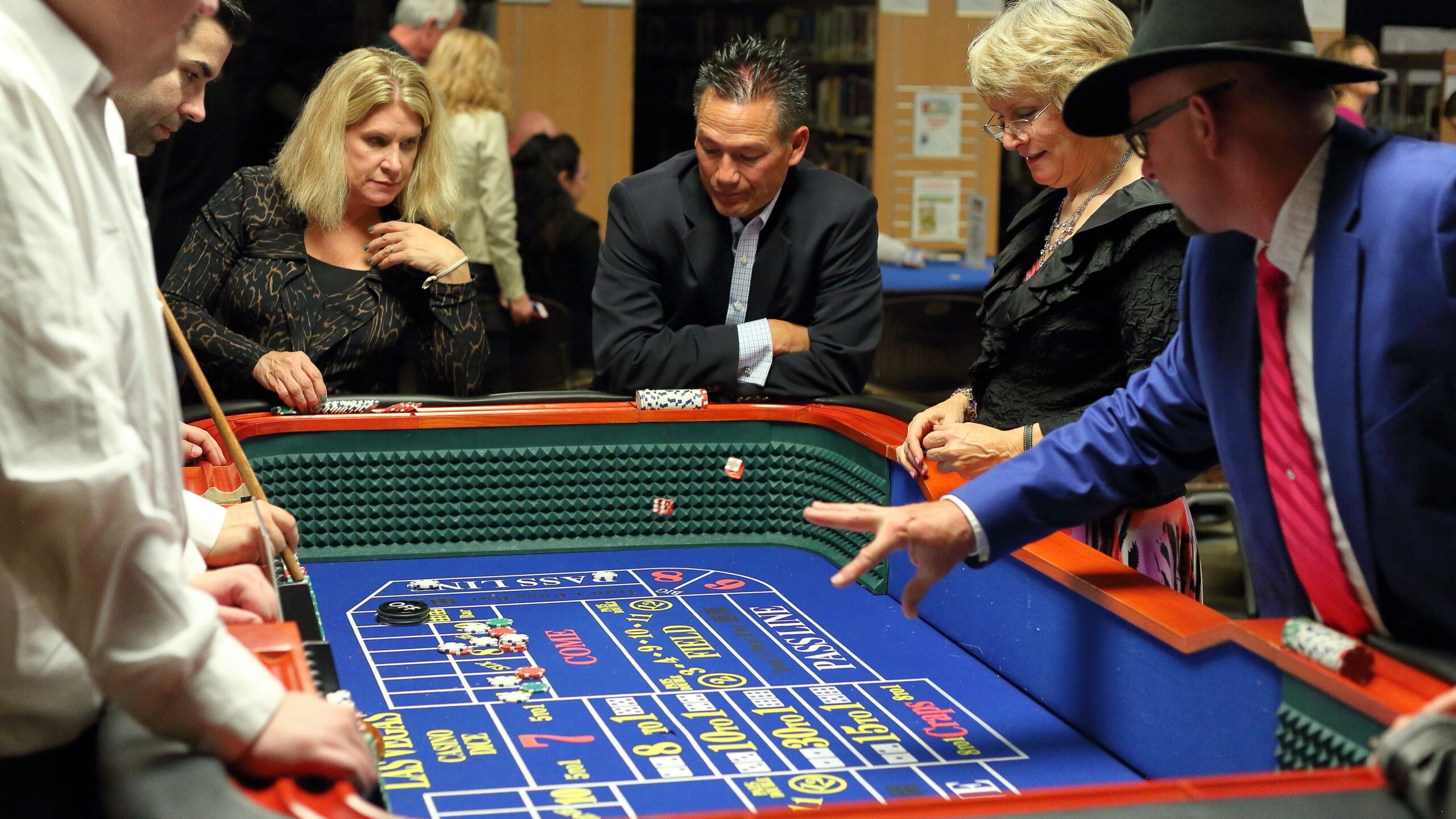
Craps, on the other hand, brings a more complex and adrenaline-filled experience to the table. While it also revolves around rolling dice, the game features multiple betting options such as Pass Line, Don’t Pass, Come, and Don’t Come, which allow players to strategize and manage their risk. The energy around a craps table is often electric, as players cheer for each other and celebrate wins together, creating a social and immersive atmosphere. The strategic depth combined with the unpredictable nature of dice rolls makes craps highly appealing to both seasoned gamblers and newcomers seeking excitement.
Dice games in general are loved in India because they strike a perfect balance between chance and engagement. Players don’t need an extensive understanding of complex rules to join in, yet there is always room for tactical decisions that can influence outcomes. The immediacy of results after each roll provides instant gratification, and the social interaction often present at tables enhances the overall experience. Whether it’s the rapid-fire rounds of Sic Bo or the high-stakes energy of craps, dice games deliver an electrifying blend of luck, skill, and community, making them an essential part of India’s casino culture.
Wheel Games
Wheel-based games are a staple in Indian casinos, offering players a mix of suspense, visual excitement, and luck-driven gameplay. These games are centered around a spinning wheel, where the outcome is entirely determined by chance, creating a thrilling environment for both new and experienced players. The visual appeal of the wheel and the anticipation of where the ball lands make every round exciting and dramatic. Wheel games are particularly popular among players who enjoy quick results, simplicity in rules, and high-stakes thrills.
- Roulette: The most iconic wheel game in Indian casinos, roulette is loved for its elegance and accessibility. Players place bets predicting the landing position of a ball on a numbered spinning wheel. Bets can range from single numbers to groups of numbers, or even simple color bets on red or black. Roulette combines the excitement of chance with strategic betting options, making it suitable for beginners and experienced gamblers alike. The spinning wheel creates a visual spectacle and keeps players engaged through suspenseful gameplay.
- Popular Betting Options in Roulette:
- Straight Bet (35:1 payout): Bet on a single number; highest payout for the biggest risk.
- Split Bet (17:1 payout): Bet on two adjacent numbers on the table.
- Street Bet (11:1 payout): Bet on three consecutive numbers in a row.
- Corner Bet (8:1 payout): Bet on four numbers forming a square.
- Red/Black Bet (1:1 payout): Bet on the color of the number; simple and low risk.
- Visual and Social Appeal: Wheel games are not just about luck—they also create a communal, social environment. Players often gather around the wheel, sharing the thrill of anticipation and celebrating wins together. The dynamic nature of the wheel, combined with the social interaction, enhances the overall casino experience and makes these games particularly attractive to Indian players.
- Why Players Love Wheel Games: The combination of fast gameplay, clear rules, and multiple betting strategies makes wheel games easy to understand yet endlessly engaging. The suspense of watching the wheel spin, the potential for big payouts, and the vibrant, interactive casino atmosphere all contribute to their enduring popularity. Games like roulette provide entertainment, excitement, and a sense of chance that keeps players returning for more.
Specialty Games
| Game | Number of Players | Objective | Gameplay | Why Popular |
| Baccarat | Any number | Bet on the Player, Banker, or Tie | Cards are dealt to Player and Banker; the hand closest to 9 wins | Elegant and simple; low house edge; easy for beginners to learn; classic casino appeal |
| Dragon Tiger | Any number | Bet on Dragon or Tiger (which card is higher) | One card is dealt each to Dragon and Tiger; bets are resolved immediately | Lightning-fast gameplay; extremely simple; ideal for quick rounds; popular in online casinos |
How Indian Players Choose Table Games
Choosing the right table game is a critical decision for Indian casino players, as it directly affects both the enjoyment and the potential for winning. Many players start by considering the balance between skill and luck. Skill-based games like Poker and Rummy appeal to those who enjoy strategy, critical thinking, and long-term planning. These games allow players to influence outcomes through calculated decisions, observation of opponents, and tactical betting. On the other hand, games driven primarily by luck, such as Andar Bahar or Roulette, are attractive to casual players seeking quick entertainment and the thrill of unpredictability. The choice often depends on whether the player wants a mental challenge or a fast-paced, suspense-filled experience.
Another important factor influencing game choice is payout potential. Indian players often gravitate toward games that offer favorable odds or higher winning possibilities. Games with strategic depth, like Poker, provide a combination of skill and chance that can increase potential rewards, while games with simpler rules, like Dragon Tiger or Baccarat, allow for quick wins with minimal learning curves. Understanding the odds and payout structures helps players make informed decisions, balancing risk with potential reward. For many, the thrill of a substantial payout is a major draw, sometimes outweighing other considerations like game complexity or duration.
Game speed is also a decisive factor for players when selecting table games. Fast-paced games such as Dragon Tiger or Sic Bo appeal to casual players who prefer short, intense rounds that deliver immediate results. These games are ideal for players looking for instant excitement without committing to lengthy sessions. Conversely, slower, more strategic games like Poker or Rummy attract enthusiasts who enjoy prolonged gameplay and the opportunity to apply complex strategies. The tempo of a game often dictates who it attracts and shapes the overall casino experience, influencing both engagement and satisfaction.
Social interaction plays a surprisingly significant role in choosing table games in India. Multiplayer games allow players to connect with friends, engage in friendly competition, and share in the excitement of wins and losses. Games like Teen Patti or Andar Bahar, which have cultural resonance, also enhance social enjoyment, often mimicking the dynamics of family gatherings and festive celebrations. Even in online casinos, live dealer games provide a sense of community, with chat features and interactive gameplay bridging the gap between virtual and real-world social experiences. For many Indian players, the combination of social engagement, potential rewards, and entertainment value ultimately guides their choice of table games.